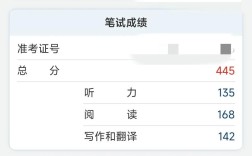
考博外语面试是博士生招生选拔中的重要环节,主要考察考生的外语综合应用能力、学术沟通能力以及专业领域的国际视野,面试问题通常围绕语言基础、学术能力、专业素养、研究规划及跨文化沟通等方面展开,具体可分为以下几类:

(图片来源网络,侵删)
语言基础与沟通能力
这类问题旨在评估考生的外语听说读写能力是否满足学术交流需求,通常从日常对话逐步过渡到学术场景。
- 自我介绍与个人背景
考官可能要求用外语进行简短的自我介绍,内容包括教育背景、科研经历、兴趣方向等。“Please briefly introduce your academic background and research interests.” 或 “Why did you choose to pursue a PhD in your current field?” - 语言能力自我评估
考官会询问考生对外语水平的认知,“How would you evaluate your English proficiency in reading, writing, speaking, and listening? Have you taken any standardized tests (e.g., TOEFL, IELTS, GRE)?” - 日常沟通与应变
部分问题会模拟学术场景中的交流情境,如:“If you don’t understand a question during the interview, how would you ask for clarification?” 或 “Describe a time you had to communicate complex ideas in a foreign language.”
学术能力与文献理解
学术交流能力是博士生的核心素养,考官会通过文献分析、学术观点探讨等问题考察考生的学术潜力。
- 文献阅读与总结
考官可能提供一段专业领域的外文文献摘要或段落,要求考生概括核心观点或分析论证逻辑。“What is the main argument of this paragraph? Do you agree with the author’s perspective?” - 学术术语与概念解释
考官会询问考生对专业领域内关键术语的理解,“Could you explain the concept of ‘paradigm shift’ in your field?” 或 “What is the difference between quantitative and qualitative research methods in your discipline?” - 学术观点批判与表达
考官可能抛出一个学术争议话题,要求考生发表看法,“Some scholars argue that AI will replace human researchers in data analysis. What’s your opinion?”
专业领域与研究规划
这类问题聚焦考生的专业方向和研究能力,是面试的核心部分,旨在判断考生是否具备独立开展科研工作的潜力。
- 研究方向与动机
考官会深入询问考生选择特定研究方向的原因,“Why are you interested in [specific research topic]? What gaps in current research do you hope to address?” - 研究方法与技术
考官可能要求考生阐述研究设计或技术细节,“Could you describe the methodology you plan to use for your PhD project?” 或 “What statistical techniques or experimental tools are you familiar with?” - 文献综述与前沿动态
考官会考察考生对领域内最新研究的了解,“What are the recent advancements in your field? Name three key papers you have read recently and their contributions.” - 研究计划可行性**
考官可能质疑研究计划的挑战,“What potential difficulties might you encounter in your research? How would you address them?”
跨文化沟通与学术伦理
博士生需具备国际化学术视野,因此考官会关注考生的跨文化理解能力和学术规范意识。
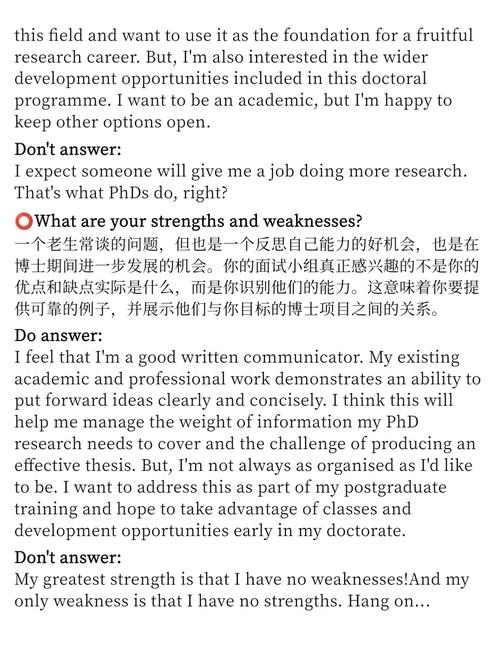
(图片来源网络,侵删)
- 国际合作经历
若考生有海外交流或国际合作经历,考官可能询问细节,“What did you learn from your collaboration with foreign researchers?” - 学术诚信与伦理
考官可能通过情景题考察学术伦理意识,“How would you handle a situation where you suspect a classmate has plagiarized their work?” - 文化差异与适应能力
“How would you adapt to a different academic culture if you study abroad?”
个人特质与职业规划
考官也会通过非学术问题了解考生的性格、抗压能力及长期发展目标。
- 抗压与时间管理
“How do you manage stress when facing tight deadlines?” - 职业目标
“What do you hope to achieve after completing your PhD? Do you plan to pursue a career in academia or industry?”
模拟面试问题示例
以下为常见面试问题分类总结,供参考:
| 问题类型 | 示例问题 |
|---|---|
| 语言基础 | “Please describe your hometown in English.” |
| 学术能力 | “Summarize the key findings of this paper in one minute.” |
| 专业研究 | “How does your research contribute to the existing literature in your field?” |
| 跨文化沟通 | “What challenges do you think international students may face in your country?” |
| 个人规划 | “Why did you choose our university/program for your PhD?” |
相关问答FAQs
Q1: 考博外语面试中,如果遇到听不懂的问题,应该如何应对?
A: 首先应保持冷静,可以礼貌地请求考官重复或解释问题,“Sorry, could you please rephrase the question? I want to ensure I understand it correctly.” 若涉及专业术语,可尝试结合上下文推测,并坦诚表示需要进一步确认,避免盲目回答,诚实且主动沟通的态度反而能展现良好的语言学习能力和应变能力。
Q2: 外语面试中是否需要使用复杂句式和专业术语来表现水平?
A: 不必刻意堆砌复杂词汇或句式,考官更关注表达的清晰性、逻辑性和准确性,在确保语言流畅的前提下,适当使用专业术语可体现学术素养,但若过度使用导致语法错误或表达晦涩,反而会减分,建议以“准确优先、流畅其次”为原则,用简洁的语言传递核心观点,遇到不确定的表达可换用更简单的词汇替代。

(图片来源网络,侵删)