2025年考研英语一翻译部分选自英国作家乔治·奥威尔的《政治与英语语言》(Politics and the English Language),这篇文章探讨了英语语言的退化现象及其与政治思维的关系,翻译题要求考生将文中一段约150词的英文段落准确、通顺地译为中文,重点考查考生对长难句结构分析、词汇语境理解以及中英表达转换的能力,以下从真题原文、参考译文、翻译解析及备考策略四个方面展开详细分析。
真题原文与参考译文
真题原文:
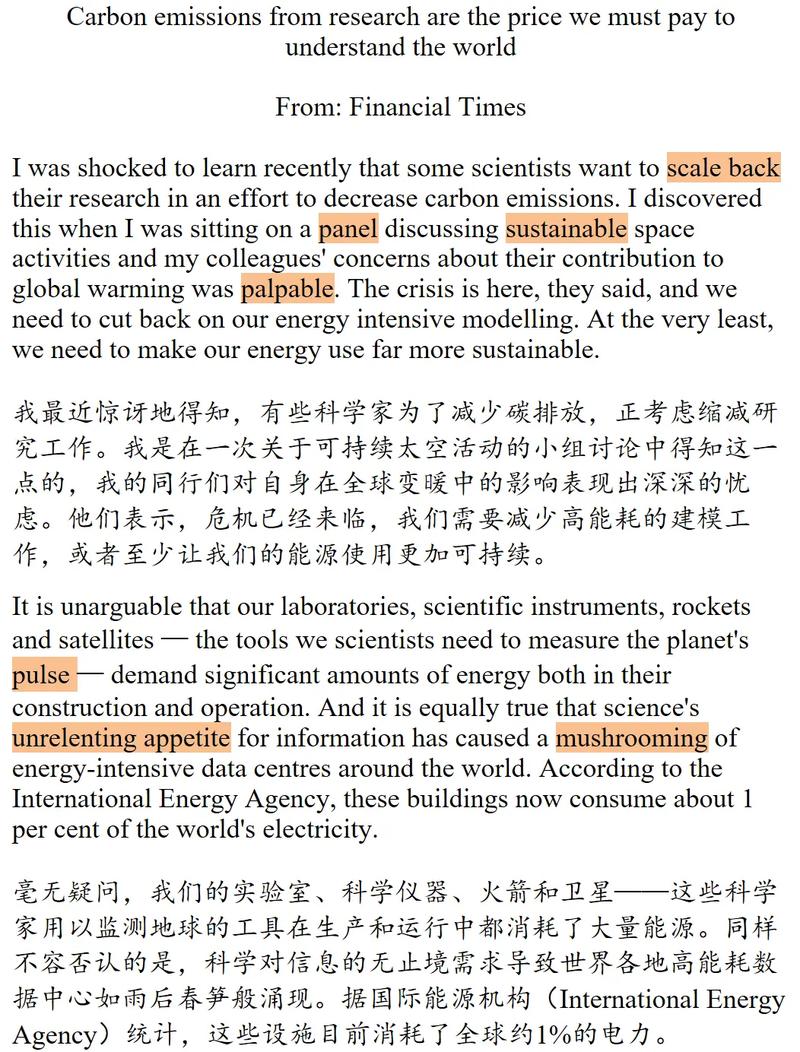
"The decayed state of our language is probably curable. It is not due simply to the bad influence of this or that individual writer. But the present wretched way of speaking and writing must be attacked, if the process of ever-vulgarising language is to be halted. Those who deny this would argue, perhaps, that language is inevitably a reflection of society, and that we cannot halt its decay any more than we can halt the natural decay of a tree. But this is a false analogy. Society is not a physical entity like a tree, which has a natural lifespan. Society is a collection of individuals, and its health depends on the health of its individual members. If the individual members are healthy, society will be healthy; if they are not, society will not be healthy."
参考译文:
我们语言的这种腐朽状态或许是可治愈的,它并非仅仅源于某个个别作家的不良影响,若要阻止语言不断庸俗化的进程,这种目前糟糕的言说和写作方式就必须受到抨击,那些否认这一点的人或许会争辩说,语言不可避免地是社会的一面镜子,正如我们无法阻止一棵树的自然衰败一样,我们也无法阻止语言的腐朽,但这是一种错误的类比,社会并非像树那样的物理实体,拥有自然的生命周期,社会是个体的集合,其健康取决于个体成员的健康,如果个体成员是健康的,社会就会健康;反之,社会就不会健康。
翻译难点与解析
长难句结构拆分
英语长句往往通过从句、非谓语结构等嵌套表达复杂逻辑,翻译时需先梳理主干,再补充修饰成分。
-
例句1:"But the present wretched way of speaking and writing must be attacked, if the process of ever-vulgarising language is to be halted."
结构分析:主句为"the present wretched way... must be attacked",条件状语从句"if the process... is to be halted"位于句末。
翻译要点:"wretched way"译为"糟糕的方式"比"悲惨的方式"更符合语境;"ever-vulgarising"现在分词作定语,译为"不断庸俗化的"以体现动态过程;"is to be halted"表被动目的,译为"若要阻止...进程"更自然。 (图片来源网络,侵删)
 -
例句2:"Those who deny this would argue, perhaps, that language is inevitably a reflection of society, and that we cannot halt its decay any more than we can halt the natural decay of a tree."
结构分析:主句"Those... would argue",定语从句"who deny this"修饰"Those",两个"that"引导的宾语从句并列,"any more than"比较结构连接后半句。
翻译要点:"Those who deny this"译为"那些否认这一点的人"更简洁;"any more than"比较结构需体现"正如...一样也..."的对应关系,译为"正如我们无法阻止...一样,我们也无法阻止...";"natural decay of a tree"译为"树的自然衰败"比"腐烂"更符合生物学语境。
词汇语境化处理
英语一词多义现象普遍,需结合上下文选择词义。
- "decayed state":直译为"腐朽的状态",若译为"衰退状态"虽通顺,但结合后文"halt its decay"(阻止腐朽),"腐朽"更能体现作者对语言质量下降的批判态度。
- "attacked":本义为"攻击",但结合语境"抨击某种言说方式",译为"抨击"比"攻击"更贴切,符合议论文语体。
- "false analogy":固定搭配,译为"错误的类比",若拆分为"虚假的类比"则偏离术语习惯。
逻辑显性化转换
英语多靠隐性逻辑连接,中文需通过添加关联词明确逻辑关系。
- 原文"if the process... is to be halted"是条件状语,中文前置译为"若要阻止...进程",使目的关系更清晰。
- 原文"Society is not a physical entity... but a collection of individuals"隐含转折对比,中文添加"并非...而是..."强化逻辑,译为"社会并非...那样的物理实体,而是个体的集合"。
备考策略与技巧
长难句突破:主干优先,修饰后置
翻译长句时,先提取主谓宾主干(如主句"the way must be attacked"),再将定语("present wretched")、状语("if..."等)按中文语序补充至主干前后。"Those who deny this would argue..."主干为"Those argue...",定语从句"who deny this"前置修饰"Those",译为"那些否认这一点的人"。

词汇积累:语境辨义与搭配记忆
- 一词多义:如"decay"可指"腐朽、衰退、衰败",需根据语境选择(语言用"腐朽",物体用"衰败")。
- 动词搭配:如"halt the process"(阻止进程)、"attack the way"(抨击方式),固定搭配需重点记忆。
语体转换:学术语言的中式表达
考研翻译文本多为学术议论文,需避免口语化,使用书面语词汇,argue"译为"争辩"而非"说","inevitably"译为"不可避免地"而非"肯定地"。
真题精练:对比反思,提升准确度
做完真题后,对照参考译文分析差异:
- 逻辑是否遗漏:如原文"any more than"的比较关系是否译出;
- 语序是否合理:如后置定语是否前置为中文的定语结构;
- 词义是否精准:如"wretched"是否准确传达"糟糕"而非"悲惨"。
相关问答FAQs
Q1:考研英语翻译中遇到不认识的生词怎么办?
A:若遇到生词,可通过上下文推测词义,例如根据词根(如"vulgar"表"庸俗","vulgarising"即"使庸俗化")、同义反义关系(如"decay"与"health"相对,可推测为"衰败")或句子逻辑(如"halt the decay"与"halt the process"并列,可知"decay"为负面过程),若仍无法确定,可暂保留直译并补充说明,避免因生词导致整句漏译。
Q2:如何平衡翻译的“忠实”与“通顺”?
A:"忠实"指准确传达原文信息(不增删、不曲解),"通顺"指符合中文表达习惯(无语病、逻辑清晰),优先保证"忠实",在忠实基础上调整语序和词汇,例如原文"the process of ever-vulgarising language"直译为"语言不断庸俗化的过程",虽稍长但忠实;若简化为"语言庸俗化进程"则更通顺,两者均可接受,需根据语境选择,避免为追求通顺而牺牲核心信息(如漏译"inevitably"的"必然性")。